Best Time to Ski in Japan / Hokkaido

Best Time to Ski in Hokkaido, Japan: A Season by Season Guide

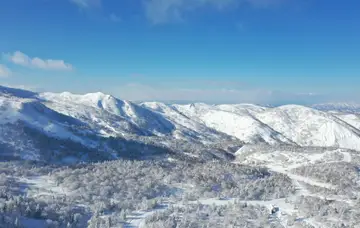
The best time to ski in Hokkaido is from December to early May, with the deepest, most consistent powder from January to February and a long, sunny spring season that runs well past the point most ski regions have closed. Hokkaido doesn't get powder the way most ski destinations do, it gets a near-constant supply of it, drawn off the Sea of Japan and dropped, storm after storm, onto some of the lightest, driest snow in the world. Club Med has four resorts here, Kiroro Grand and Kiroro Peak near the coast west of Sapporo, and Sahoro and Tomamu in the island's central highlands, and the season looks slightly different at each.

However you get there, the reward is the same: snow that keeps falling long after most ski regions have gone quiet for the season. For travellers from India, Hokkaido is as much about the novelty of snow itself as it is about the skiing, and the resort experience is built to make that first encounter easy.

Every week of the season has a slightly different character, and knowing what to expect before you land makes it easier to pick the right one for how you actually want to spend the days.

Key takeaways
● Peak powder runs from late December to early March, with the most consistent snowfall and shortest lift queues on weekdays.
● Spring skiing from March to early May brings longer days, softer snow and better value, with Club Med Kiroro running the longest season of the four resorts.
● Kiroro, near the Sea of Japan coast, records some of the heaviest snowfall in Hokkaido; Sahoro and Tomamu in the central highlands are colder, drier and sunnier.
● Onsen culture, Sapporo's food scene and snowshoe walks make Hokkaido worth the trip even for non-skiers in the group.

1 - Hokkaido's ski season explained

Hokkaido's ski season explained

Snow arrives early in Hokkaido and settles in for the season. By late November the mountains are already dusted, but it's from December that the real accumulation begins, as cold air moving off the Sea of Japan collides with the island's terrain and drops snow in volumes most ski destinations never see. Resorts generally open in early December.

Peak powder season: January and February

January and February are the coldest, snowiest months, with temperatures well below freezing and near-daily fresh falls in a good year. Daylight is short, but the trade-off is consistency: few ski regions anywhere can promise fresh powder this reliably, this often.

Spring skiing: March to early May

March and April soften as the season winds on, still reliably snowy on the upper slopes but with longer daylight, more sunshine and a gentler edge to the cold. They're genuinely good months for anyone who wants strong conditions without the deepest midwinter chill, and lift queues thin out noticeably once the school holiday crowds head home. At Kiroro the season runs into early May, with reduced lift operations in the final weeks.

How Hokkaido's resorts differ by location

Where you stay changes the detail. Kiroro, in the hills behind Otaru, sits closest to the Sea of Japan and catches the storms first, which is why it records some of the heaviest snowfall on the island and holds its snow longest into spring. Sahoro and Tomamu, in the central highlands, are further from the coast: colder, with drier, lighter snow and noticeably more bluebird days, but a shorter season that typically closes in early April.

What to expect: temperatures and daylight

Daytime temperatures on the slopes typically sit between minus 5 and minus 15 degrees Celsius through the peak months, dropping further after dark. Daylight runs from around 7am to 4pm in January, stretching to nearer 6pm by late April, worth factoring into how late you can reasonably plan to ski each day.

Hokkaido's ski season month by month

MonthConditionsBest for
Early DecemberSnow building, resorts openingFirst tracks of the season, quiet slopes
Late DecemberDeep snow establishedPowder and festive atmosphere, highest demand
JanuaryPeak cold and snowfallThe most consistent, driest powder of the year
FebruaryPeak cold and snowfallReliable powder with slightly longer daylight
MarchSnow softening, longer daysStrong conditions, sunnier skiing, thinner crowds
AprilSpring skiingKiroro's long season, soft snow and blue-sky days
Early MaySeason closing at KiroroThe last turns of the Hokkaido winter
June to NovemberGreen seasonHiking, cycling and onsen without the snow

2 - Best time by activity

Best time by activity

Snow is only half of what Hokkaido offers. The other half happens once the skis come off for the day.

Powder skiing and boarding

For powder skiing and boarding, January and February are as good as it gets anywhere in the world, with tree runs and off-piste terrain that stay light and dry for days after a fresh fall rather than turning heavy or icy. For complete beginners, Club Med's group lessons, included in the stay at all four resorts, are built around exactly that gap, taking a guest from their first steps in snow boots to their first turns within a week; ski and snowboard equipment is rented separately.

Onsen and apres-ski

Beyond the slopes, Hokkaido's onsen culture comes into its own in winter. There's a particular pleasure in sinking into a steaming outdoor bath while snow falls around you, and it's an experience that needs no ski experience at all to enjoy. Evenings tend to move at a slower pace here than at busier European resorts, built around a good meal and a hot soak rather than a late night out.

Off-slope days

For non-skiers in a group, or anyone taking a rest day, Hokkaido's snow-covered towns are worth exploring in their own right. Otaru's canal and Sapporo's markets and food scene sit within reach of Kiroro, while Tomamu and Sahoro trade town access for wide-open highland scenery, and a snowshoe walk through quiet forest is a genuinely different way to experience the same snowfall that draws everyone else to the lifts.

3 - Hokkaido's seasons at Club Med

Hokkaido's seasons at Club Med

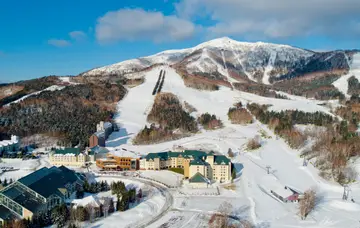
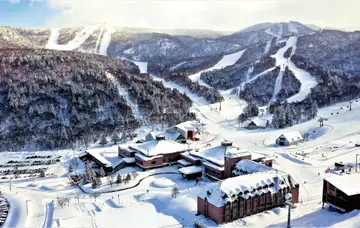
Club Med Kiroro Grand and Club Med Kiroro Peak share the Kiroro ski area in the hills behind Otaru, around two hours from New Chitose Airport. Kiroro Grand is built for families of all ages, while Kiroro Peak is designed for guests aged 12 and over. The ski area runs from early December to early May, the longest season of the four, with reduced lift operations in the first two weeks and the final month. Club Med Sahoro Hokkaido and Club Med Tomamu Hokkaido sit in the central highlands, around two and a half hours and an hour and a half from the airport respectively, with seasons that typically run from December to early April.

How ski holidays continue in changing conditions

At all four resorts the all-inclusive programme is built around the conditions on the day rather than the forecast. Group ski and snowboard lessons, lift passes, meals and evening entertainment are included, and when a storm closes upper lifts or visibility drops, lessons move to the terrain that's open and the day's programme shifts indoors to the onsen, pool or kids' clubs rather than stopping. The ski lifts themselves are operated by each ski area, not by Club Med, so lift availability on any given day is set by the ski area's own operations.

Included experiences and optional extras

Equipment rental, private lessons, childcare for children under four and excursions off the mountain are available at extra cost, and the resort page is the reference for what's included during your dates. Kiroro Grand also has a natural hot spring onsen on site, which makes it the easiest of the four for a first onsen experience without leaving the resort.

4 - Planning your Hokkaido trip

Planning your Hokkaido trip

Whichever week you choose, book early. Peak season accommodation sells out well ahead of the snowiest months, and the spring weeks offer a trade-off worth considering if sunshine and value matter more to you than the deepest powder.

● Getting there: New Chitose Airport near Sapporo is the gateway to all four resorts, with Club Med transfers available at extra cost. There is no direct service from India; connecting via Tokyo or Seoul takes 12 to 14 hours in total.
● Currency: Japan uses the Japanese yen (JPY). Most costs on a Club Med stay are settled through the all-inclusive rate, while cash is useful for smaller purchases in rural areas.
● Pack: thermal base layers, a mid layer you can remove once you've warmed up on the slopes, and a waterproof outer shell; all three pack down small enough to leave room for everything else. Ski and snowboard equipment can be rented at the resort at extra cost.
● Build in a buffer: an extra day either side of the flight helps with jet lag and cold-weather adjustment, especially on a first snow trip.
● What's included: Club Med's all-inclusive rate at its Hokkaido resorts covers accommodation, meals and drinks, group lessons, lift passes and evening entertainment. Current inclusions and guest policies are detailed on each resort page, which is the reference for what applies to your dates.

Discover our ski resorts in Hokkaido

See all resorts

Frequently Asked Questions

Find out more about Club Med

Our best resorts